
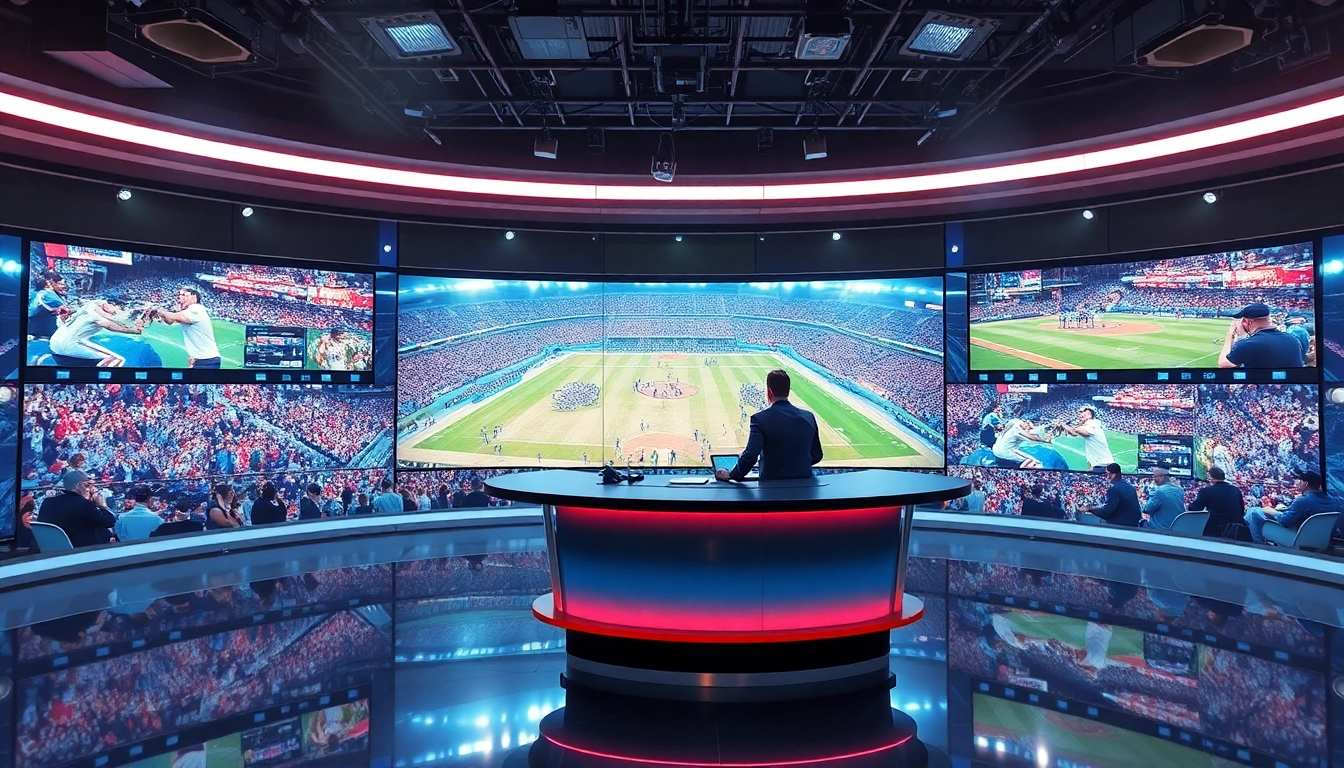
Understanding Sports Broadcasting
Defining Sports Broadcasting
Sports Broadcasting refers to the dissemination of sports events to a viewing audience, typically through television or radio, but increasingly via digital channels. The primary goal is to provide entertainment while delivering timely updates and breaking news related to sports. This encompasses live event coverage, pre-game and post-game analyses, and sports-related entertainment. The rise of online platforms has expanded accessibility, allowing fans to engage with their favorite sports—regardless of geographical boundaries. This Sports Broadcasting industry is characterized by its diverse formats and innovative engagement strategies that cater to a global audience.
History and Development
The origins of Sports Broadcasting can be traced back to the early 20th century when radio began transmitting live sports updates. The first radio broadcast of a sports event took place in 1921, covering a boxing match. As technology advanced, television became the medium of choice in the 1950s, leading to a significant increase in viewership. Icons like ABC’s “Wide World of Sports” helped to popularize televised sports, showcasing a variety of events from different sports disciplines. Over the decades, the industry has evolved remarkably, adapting to new technologies and changing viewer preferences.
Key Players in the Industry
Sports Broadcasting encompasses a myriad of entities and personnel, including major television networks, streaming platforms, production companies, sports teams, and leagues. Networks like ESPN, NBC Sports, and CBS Sports dominate traditional broadcasting, while newer entrants like Amazon Prime and Hulu are making their mark in streaming. Besides networks, production companies are crucial for creating high-quality broadcasts, leveraging cutting-edge technology and creative talent to enhance viewer experiences. Additionally, sports teams and leagues play pivotal roles in securing broadcast deals that drive revenue and shape content availability.
Technological Advancements in Sports Broadcasting
Impact of Streaming Services
Streaming services have revolutionized how fans consume sports content. They offer on-demand access to live games, allowing viewers to watch on various devices—from smartphones to smart TVs. This shift has led to increased competition among traditional broadcasters and streaming platforms, prompting innovations such as multi-camera views, viewer-selected angles, and integrated social media features. The ability to stream games without the need for cable subscriptions has democratized sports viewing, enhancing audience engagement and satisfaction.
Use of Augmented Reality
Augmented Reality (AR) is being increasingly integrated into sports broadcasting to create immersive viewer experiences. AR technology overlays digital information onto the physical world, allowing viewers to visualize statistics and player information in real-time during broadcasts. For instance, during NFL games, virtual first-down lines are displayed seamlessly on the field, enhancing the understanding of game dynamics. This technology not only captivates audiences but also elevates the storytelling aspect of sports coverage, making it more engaging.
High-Definition Broadcasting Trends
The push towards high-definition (HD) broadcasting has significantly enhanced the quality of sports viewership. As consumer technology advances, general expectations also rise, compelling broadcasters to adopt 4K and even 8K resolution standards. These advancements provide incredibly crisp images and detailed visuals, offering fans an unparalleled viewing experience. Moreover, enhancements like HDR (High Dynamic Range) improve the color and contrast of broadcasts, ensuring that dynamic sports actions are portrayed vividly.
Challenges in Sports Broadcasting
Regulatory Hurdles
The sports broadcasting industry faces numerous regulatory challenges, including licensing agreements, local broadcasting rights, and copyright issues. Different countries and regions have distinct legal frameworks affecting how sports events are broadcast. These regulations can complicate negotiations and limit the flexibility of broadcasting companies, particularly when attempting to reach international audiences. Approaching these hurdles strategically is essential for broadcasters aspiring to expand their viewership across borders.
Content Rights and Ownership
The complex landscape of content rights is another significant challenge. Ensuring exclusive broadcast rights for major sporting events is critical, driving intense competition among networks and streaming platforms. Disputes often arise over ownership and control, leading to legal battles that can delay or restrict broadcasts. Furthermore, with the emergence of traditional and digital media platforms, defining and protecting these rights becomes increasingly complex, requiring careful negotiation and compliance with varying regulations.
Maintaining Viewer Engagement
As options for entertainment proliferate, maintaining viewer engagement poses a challenge for sports broadcasters. Audiences are consistently drawn to new formats, platforms, and content styles. Consequently, creating unique and compelling broadcasts is essential for retaining viewers’ attention. Broadcasters must rely on viewer feedback and data analytics to tailor content that resonates with audiences, ensuring they remain relevant and competitive in a rapidly evolving market.
Future Trends in Sports Broadcasting
AI and Data Analytics Integration
The integration of AI and data analytics is set to reshape Sports Broadcasting dramatically. By harnessing vast amounts of data from games, broadcasters can provide deep insights and personalized experiences for viewers. AI can analyze viewer preferences to suggest content, predict viewer behavior, and optimize advertising strategies. Moreover, advanced analytics will facilitate enhanced commentary and analysis, enriching the audience’s understanding of sports events and fostering greater viewer loyalty.
Increased Interactivity for Viewers
Future sports broadcasts are likely to be marked by increased interactivity, allowing viewers to engage more actively with the content. Features such as live polls, integrated social media discussions, and viewer-driven camera angles will enable fans to customize their viewing experience. This shift towards audience participation can enhance viewer satisfaction and deepen their emotional connection to the events, ultimately solidifying their loyalty to specific broadcasters or leagues.
Sustainability in Broadcasting Practices
As awareness of environmental issues grows, sustainability has become an essential consideration for the sports broadcasting industry. Broadcasters are now exploring eco-friendly production techniques, reducing energy consumption and waste during live events. Emphasizing sustainability will not only appeal to environmentally conscious viewers but also create positive brand associations that can foster audience loyalty and enhance corporate social responsibility on a broader scale.
Metrics for Measuring Success in Sports Broadcasting
Viewership and Engagement Statistics
Measuring the success of Sports Broadcasting hinges on viewing figures and engagement metrics. Traditional metrics include total viewership and average viewing duration, while digital platforms focus on user interaction, shares, and comments. Advanced analytics tools can track audience behavior across multiple platforms, providing an intricate understanding of viewer preferences. This data is invaluable for optimizing content delivery strategies and ensuring that broadcasters can effectively capture and retain their audiences.
Revenue Models and Advertising Strategies
Revenue generation in Sports Broadcasting stems from various models, including subscription fees, advertising, and pay-per-view. Networks and digital platforms must constantly innovate their advertising strategies to appeal to tech-savvy audiences and drive incremental revenue. Programmatic advertising, partnerships with brands, and personalized ad experiences based on viewer data are emerging as vital strategies to optimize revenue in this competitive landscape.
Feedback and Audience Adaptation
Understanding viewer feedback is critical for the continuous improvement of Sports Broadcasting. Conducting surveys, analyzing social media sentiment, and reviewing performance metrics enable broadcasters to adapt their strategies according to audience preferences. Utilizing such data-driven insights allows networks to tailor content, scheduling, and even marketing campaigns, fostering a deeper connection with viewers and ensuring sustained growth.
Frequently Asked Questions
What is Sports Broadcasting?
Sports Broadcasting is the transmission of sports events and related content to the audience through television, radio, or online platforms, aiming to entertain and inform viewers about various sports.
How has technology impacted Sports Broadcasting?
Technology has transformed Sports Broadcasting through the introduction of streaming services, augmented reality, and high-definition broadcasts, enhancing viewer experience and accessibility.
What challenges do broadcasters face?
Broadcasters face regulatory hurdles, complex content rights management, and the constant need to engage viewers amidst increasing competition from various entertainment options.
What future trends are expected in Sports Broadcasting?
Future trends may include greater integration of AI and data analytics, increased viewer interactivity, and a heightened focus on sustainability practices within the industry.
How is the success of Sports Broadcasting measured?
Success is measured through viewership statistics, audience engagement metrics, revenue models, and adaptation strategies based on viewer feedback and preferences.
